Washing and rotating your bras
Small habits in the sink and the laundry hamper protect the elastic band and keep cut cups flat.
3 min read
Hanging a wet bra by a single shoulder strap stretches the elastic ribbon before the cups even dry.
Washing by hand in cool water
Fill a basin with cool tap water and add a teaspoon of mild liquid soap. Submerge the bra and press the fabric into the suds with your palms so the detergent moves through the cup lining. Hot water breaks down the fine synthetic threads that give our wireless frames their grip. Let the garment soak for ten minutes, then rinse until the water runs clear.
Press the cups flat between dry bath towels to lift the moisture. Twisting or wringing the fabric crinkles the interior stabilizer layers and bends the center gore. Wireless support depends on smooth, flat seams that sit flush against the ribs. Distortion in the fabric panels ruins the shape faster than gentle wear.
Preparing bands for machine cycles
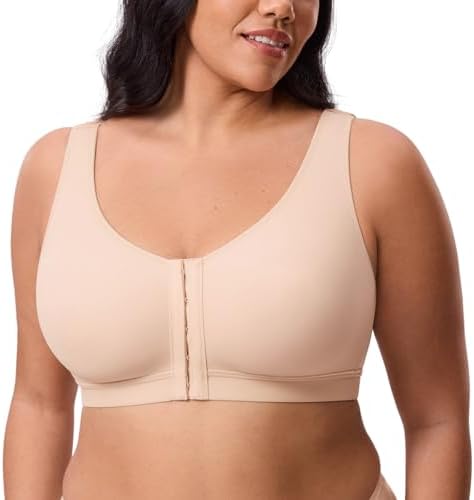
Fasten the back hook eyes before the bra goes near a wash basket. Open metal hooks catch on mesh wings, pull lace loops, and snag the strap binding of other garments. We build wide hook pads with three or four rows, which create large metal edges if left loose. Fastening the band into a closed loop protects the hardware and the soft fabric panels.
Place the hooked bra inside a zippered mesh wash bag. Use the delicate cycle with cold water and a low spin speed. Strong agitation stretches the side wings and weakens the stitching along the bottom band. A mesh bag keeps the straps from wrapping around the washer agitator, which pulls the shoulder slides out of position.
Why heat ruins bra elastic
Tumble dryers ruin foundation garments through high heat and continuous tumbling. The heat bakes the rubber core inside the elastane threads, turning elastic brittle until it snaps inside the knit. Once these internal fibers break, the wide band ripples and loses its tension. A cooked band will not anchor against your ribcage, no matter how tight the cup fits.
Air drying preserves the recovery of the stretch lace and the lower cradle band. Lay the garment flat on a drying rack with the cups smoothed into their natural shape. If you prefer to hang the bra, balance the center gore over a line. Hanging a wet bra by its shoulder straps pulls the elastic downward under the weight of wet fabric.
Rotating two or three bras
Wearing the same wireless bra two days in a row wears the band out fast. Body heat and perspiration relax the synthetic yarns during an eight-hour shift. The elastane needs a full day of rest to contract back to its original length and tension. Switching between two or three bras gives each band time to recover its firm grip.
A small rotation extends the working life of your full collection. Three bras worn in turn outlast three bras worn one after another until they fail. The side wings stay firm, the cushioned straps hold their adjustment, and the cup seams remain taut against the bust. Daily rest prevents premature sag across the lower cradle.
Recognizing when a band goes slack
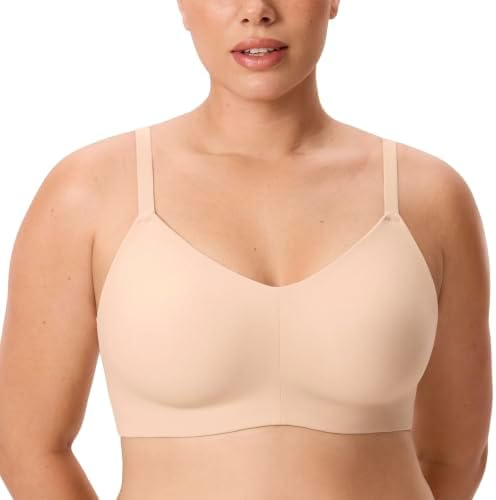
A wireless bra gets all its lifting power from the snugness of the bottom band. When you buy your size, the band should fit firmly on the loosest set of hooks. Over months of wear, move inward across the hook rows as the material relaxes. Once you reach the tightest row and the band still rides up your shoulder blades, the elastic has finished its service life.
Gapping under the cups is another clear sign of a tired band. If the bottom elastic lifts away from your ribs when you raise your arms, the frame cannot hold the bust weight. Tightening the shoulder straps will not fix a dead band. It only pulls the back wing higher and digs the strap cushions into your shoulders.
Put it to work
The finder runs the chart these notes describe: two numbers in, a band and cup out, plus a count of what we cut in it.