Taking the two measurements
Take two level tape measurements to find your starting band and cup size on our chart.
3 min read
Keep the tape level across your back and pull it snug against your ribs on a full exhale.
Measuring the under bust band line
Run a soft tape measure directly beneath your bust where the bra band sits. Keep the tape parallel to the floor across your back. Pull the tape snug against your ribcage while exhaling completely. An exhale drops the ribcage to its resting circumference, which prevents you from buying a loose band.
Read the number to the nearest whole inch. If the tape shows an odd number like 33 inches, note it down as it is. Our size charts use this snug rib measurement to anchor the base of the bra, where the wide side wings and hook rows do their work.
Measuring the fullest over bust point
Wrap the tape around the fullest part of your bust, usually across the nipple line. Do not pull this measurement tight. The tape should rest lightly against your skin without indenting the breast tissue or compressing the apex. Check in a mirror to verify that the tape has not dipped down across your shoulder blades.
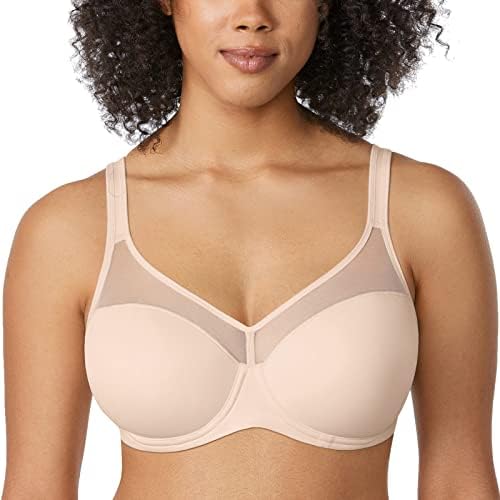
Take this measurement while standing tall with your arms relaxed at your sides. If you wear an unlined three-part cut and sew bra during the process, ensure it lifts without adding foam padding. Measuring without a bra works well if your tissue holds its own shape when you stand upright.
Why your numbers shift through the day
Ribcages expand and contract as you move, eat, and breathe. Fluid retention shifts throughout the day, which means an evening measurement often reads half an inch larger than a morning number. Heavy busts also settle differently depending on your posture and fatigue levels.
Measure twice if you notice distinct changes between morning and night. Use the larger rib measurement if you prefer a gentler band feel across your lower ribs. Use the larger bust measurement if you want full-coverage lace cups that lie flat without pressing into upper breast tissue.
Handling numbers between chart rows
Our size charts print specific under bust and over bust inches for each cup size. When your rib measurement falls between band sizes, look at the firmness of your tissue. Firmer ribcages usually prefer rounding up to the next even band, while softer tissue often sits better in the smaller band on the loosest hook.
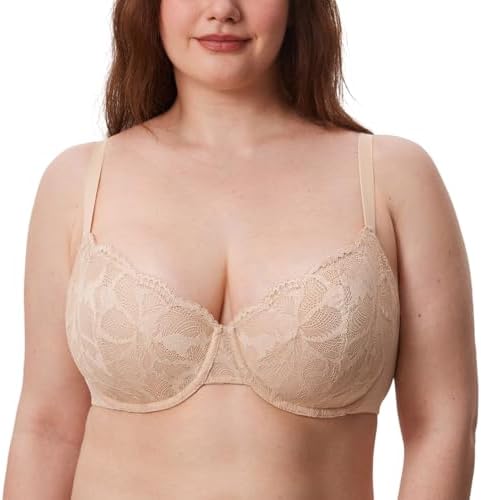
If your over bust measurement falls between two cup steps, choose the larger cup in our unlined lace styles. A three-part cup shapes full busts best when the upper lace panel sits flat against the skin rather than pulling tight against the center gore.
Checking the final fit on your body
Fasten the bra on the loosest set of hooks when it arrives. The band should stay level around your torso without riding up your back. Slide two fingers under the band to check the tension. The cushioned straps should rest comfortably on your shoulders without carrying the main weight of your bust.
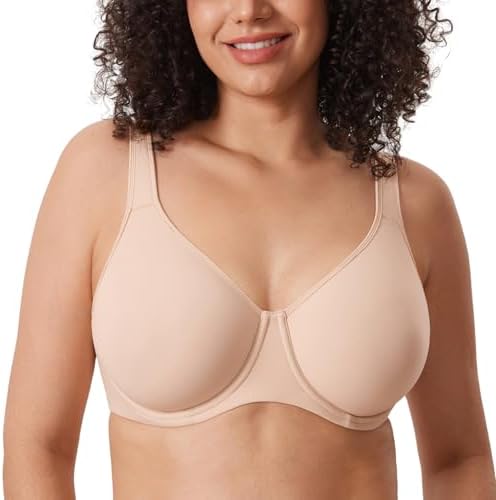
Look at the enclosed underwire channeling at the sides. The wire should sit flat against your ribs behind all breast tissue, not on top of it. The center gore ought to touch your sternum flat, holding the unlined cups in place through normal daily movement.
Put it to work
The finder runs the chart these notes describe: two numbers in, a band and cup out, plus a count of what we cut in it.